U.S Department of Health & Human ServicesHHSNational Institutes of HealthNIHNCATSNCATSCTSA ProgramCTSA
CTSA CCOS

Coordination, Communication, and Operations Support

RegisterLog In
CTSA News
Need Help

CTSA News

CTSA News

Announcements

Article Details

Publication

newsnetwork.mayoclinic.org

Published

October 20, 2026

Share Article

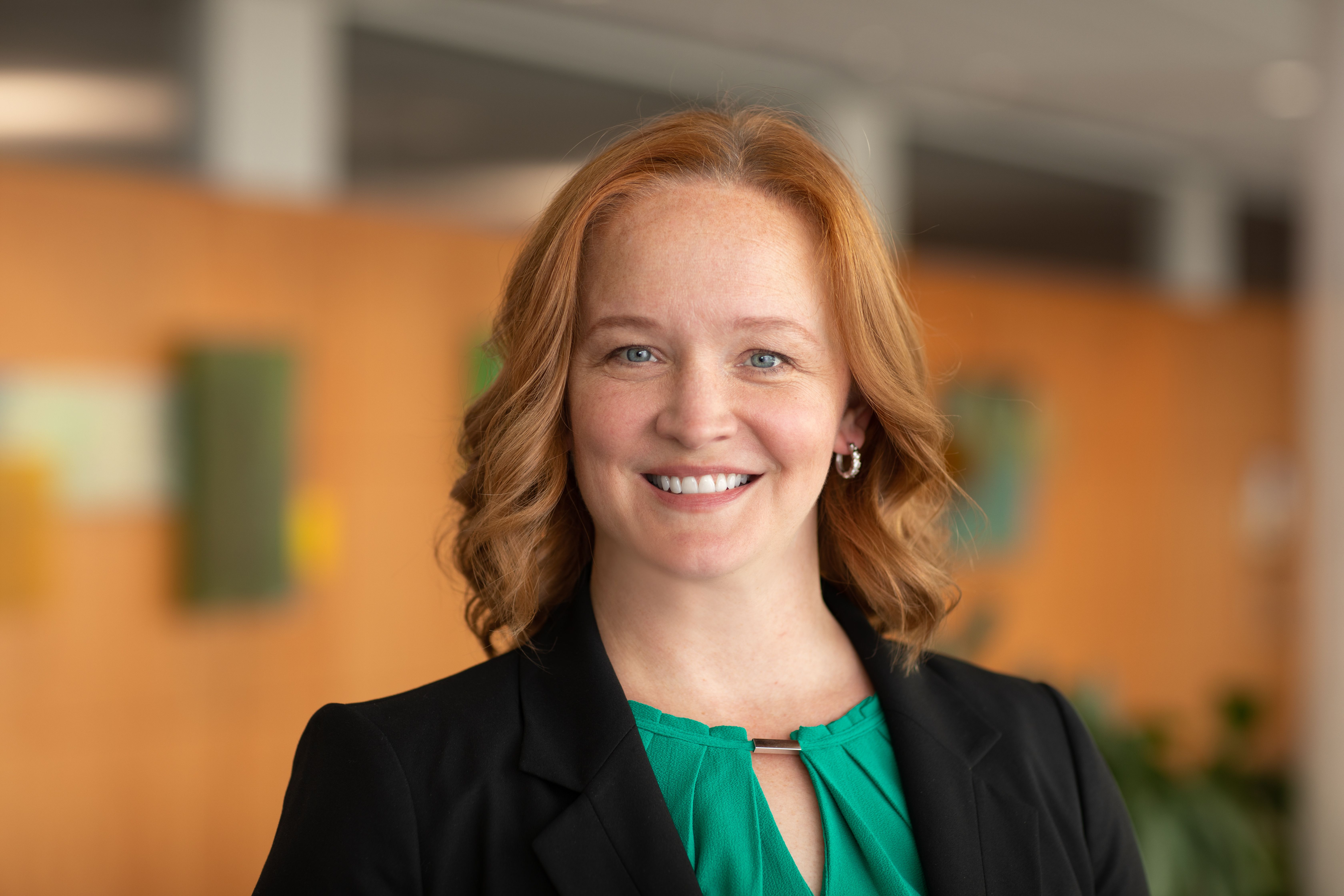
Photo of Margot Cousin, PhD

One Patient at a Time, Mayo Clinic KL2 Scholar Takes on World’s Rarest Diseases

Summary

Margot Cousin, Ph.D., a clinical and translational scientist in Mayo Clinic’s Center for Individualized Medicine, directs the N-of-1 Therapeutics Program, which develops treatment strategies for ultrarare genetic diseases. Her laboratory combines genetics, disease modeling, molecular therapeutics and artificial intelligence to move patients from diagnosis toward treatment. A major focus is KCNK9 imprinting syndrome, a neurological disorder affecting fewer than 100 known people worldwide. In 2022, her team identified 15 previously unknown disease-causing genetic changes, providing diagnoses for 21 families. The team is studying disease progression and potential therapies, including antisense oligonucleotides. Dr. Cousin and collaborators also helped deliver the first custom experimental genetic treatments for a Mayo Clinic patient with Autosomal Dominant Leukodystrophy in 2025. The article does not provide her educational background or prior training.

Article

Mayo Clinic scientists are pushing medicine beyond diagnosis, developing treatments for ultrarare genetic diseases while building a model that could accelerate the path to treatment for many more. 

Behind the glass walls of her Mayo Clinic neuroscience laboratory, Margot Cousin, Ph.D., watches tiny clusters of living neurons flicker across her computer screen. Magnified hundreds of times, the cells carry the genetic variant responsible for KCNK9 imprinting syndrome, one of the rarest neurological diseases in the world.

Dr. Cousin directs Mayo Clinic's N-of-1 Therapeutics Program, where scientists develop treatment strategies for diseases so rare they may affect only a single person. Each advance can help shorten the path for the next ultrarare disease, and the one after that.

"For decades, the greatest success we could offer many patients was finally putting a name to their disease," says Dr. Cousin, a clinical and translational scientist in Mayo Clinic's Center for Individualized Medicine. "A diagnosis is an extraordinary achievement, but it's no longer the end of the journey. The future of medicine is turning that diagnosis into a path toward treatment."

Read full article…

Read full article

https://newsnetwork.mayoclinic.org/discussion/one-patient-at-a-time-mayo-clinic-takes-on-the-worlds-rarest-diseases/

Why Don't Pain Treatments Work? Naomi Carter Hopes to Find Out

Previous

Intermittent Fasting Shows Promise in Slowing Huntington’s Disease Progression, in Study Led by TL1 Trainee

Next

Coordination, Communication, and Operations Support (CCOS) is funded by theNational Center for Advancing Translational Sciences, National Institutes of Health.

HomeContact UsPrivacy PolicyAccessibility Statement
Freedom of Information (FOIA)Office of Inspector General (OIG)Cookie Preference
X-TwitterBluesky LogoLinkedIn icon