



Innovating Mobile Health Systems to Improve the Health of People with Limited Access to Health Care
Summary
Dr. Laurel O’Connor, Associate Professor of Emergency Medicine at UMass Chan, is advancing mobile and community-based health care to improve access for underserved populations. Through UMCCTS KL2 training and subsequent NIH K23 funding, she leads major studies focused on COPD care, including the “Healthy at Home” digital monitoring program, which reduced 30-day readmission odds by 61%. She has contributed to national EMS policy on community paramedicine and helped launch a specialized paramedic program for adults with intellectual and developmental disabilities in Worcester County, Massachusetts, earning recognition as a “Champion of Health Care.” Her work demonstrates that mobile integrated health interventions can improve outcomes, reduce healthcare strain, and expand compassionate, evidence-based care.
Article
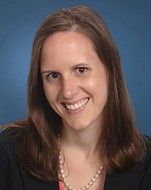
Dr. Laurel O’Connor, Associate Professor of Emergency Medicine at UMass Chan Medical School, is rapidly establishing herself as an innovator in community-based healthcare delivery. Through her research, clinical leadership, and educational efforts, Dr. O’Connor is improving outcomes and quality of care for populations with reduced access to traditional healthcare models.
Dr. O’Connor’s UMCCTS KL2 Scholar Award (KL2TR001455, 2023-2025) provided rigorous training in implementation science and pragmatic trials that has enabled her leadership of large-scale, multi-center studies. With this training and experience, Dr. O’Connor successfully applied for an individual NIH-funded career development award (K23HL174454), “Paramedic Evaluation for Acute COPD Exacerbation: the PEACE Intervention”, which focuses on improving outcomes for people with chronic obstructive pulmonary disease (COPD). COPD is the third leading cause of mortality in the U.S.; acute exacerbations commonly result in costly hospitalizations and emergency department visits. With additional support from a UMCCTS Pilot Award, Dr. O’Connor and her KL2 mentor Apurv Soni, MD, PhD (UMCCTS TL1 Alum), recently reported the results of their “Healthy at Home” study, an integrated digital monitoring and pulmonary rehabilitation initiative for patients with COPD (PMID: 40641609, PMID: 39468649). This multimodal intervention resulted in a 61% decrease in readmission odds within 30 days of hospitalization. The program also demonstrated trends toward fewer emergency department visits and shorter hospital stays, resulting in better quality of life and cost savings for patients and their families. According to Dr. O’Connor, adapting technology and training paramedics for community-based evaluation allows care to reach patients where they live, accelerating treatment and reducing the burden on hospitals. With these insights, Dr. O’Connor recently contributed to a National Association of EMS Physicians (NAEMSP) position paper on community paramedicine (CP) and mobile integrated health care (MIH) programs (PMID: 40748333).
Dr. O’Connor has recently helped launch a specialized community paramedic program for adults with intellectual and developmental disabilities in Worcester County, Massachusetts. She has developed protocols and is educating paramedics about this unique population’s needs, to ensure that stakeholders in settings from group homes to primary care physician offices can confidently participate in this innovative model. A triage phone line and ongoing involvement of UMass Chan medical students bolster the program’s accessibility and sustainability. For this work, Dr. O’Connor was recently recognized by the Worcester Business Journal as a “Champion of Health Care” (link to article).
In summary, Dr. O’Connor’s work has shown that MIH interventions are not only feasible and safe but also expedite care access and improve clinical outcomes for patients with chronic diseases such as COPD. Through her continued innovative research, dynamic leadership, and commitment to translating evidence into practice, Dr. Laurel O’Connor seeks to drive measurable improvements in the lives of individuals with limited access to health care while training the next generation of compassionate caregivers and scientists.
Some parts of this article were created with the assistance of OpenAI GPT, utilizing content from publicly available news stories on the internet, including stories produced by UMass Chan Communications.


