



Care that Fits the Child: A New Approach to Pediatric Obesity Care
Summary
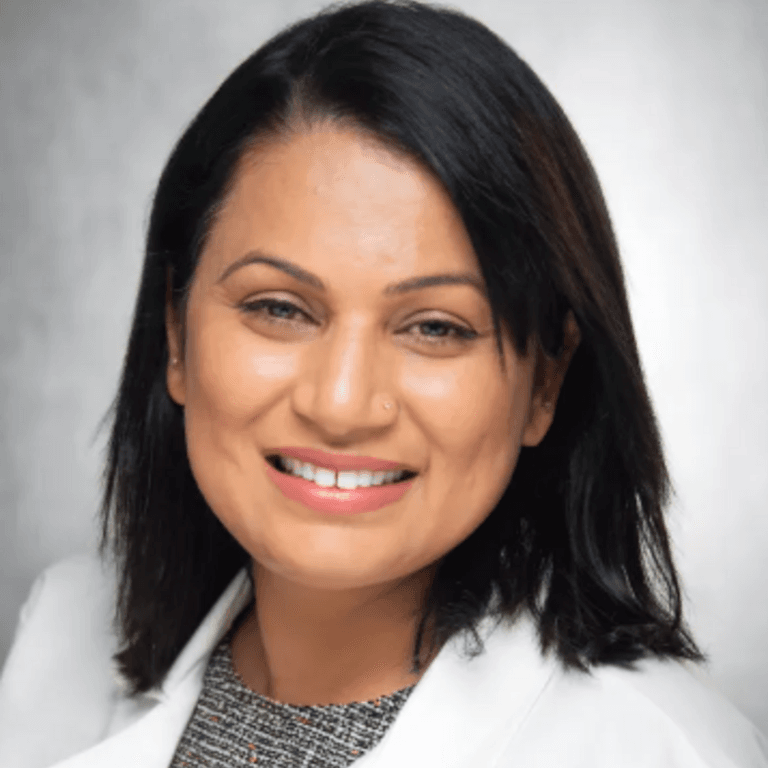
Uzma Rani, M.D., M.P.H., is generating a new model for obesity care in children and adolescents, moving away from the one-size-fits-all solutions and into a method that provides solutions to the barriers each individual child faces.
Article
Uzma Rani, M.D., M.P.H. is a University of Iowa Institute for Clinical and Translational Science (ICTS) K12 scholar and has a passion for addressing the real-life barriers that impact obesity care for children and adolescents. She plans to do this by discovering the facilitators that can help make the necessary care happen. Rani has seen how childhood obesity is shaped by factors outside of the child's control, and how families want to help their children thrive, but often face systemic barriers. With this knowledge, Rani wanted to do more.
Limitations of a standardized approach to pediatric obesity care
The current treatment plan for children and adolescents with obesity is a one-size-fits-all solution that is used for every patient, regardless of additional factors. This template solution begins with family-based interventions that focus on making dietary changes and increasing regular physical activity, as well as team-based approaches that involve healthcare providers, community partners, and intensive behavior therapy. Despite this regimented plan, it fails to address each child as an individual, and the unique barriers at the individual, community, household, healthcare provider, and system levels for each child and family. Rani’s research specifically focuses on discovering the barriers that impact urban and rural children and adolescents with obesity differently.
In the United States, 1 in 5 children and adolescents has obesity. Of those, slightly more are from rural populations, compared to urban areas, with obesity affecting 37.6% of rural children and adolescents, and 32.1% of those in urban areas. Long-term, obesity can have severe negative impacts on these children, resulting in type-2 diabetes, high blood pressure, asthma, and severe joint pain.
The factors children can’t control
“Childhood obesity is deeply shaped by factors that children cannot control,” Rani shared. This can include factors such as their location, community infrastructure, family history, stigma, and access to support, among others. Rani is investigating the most effective way to take all those factors into consideration and find the most effective way to implement published, evidence-based childhood obesity guidelines to positively impact children and adolescents with obesity. Rani is working to create a care plan that will address the barriers that exist at every level of the child's care, including at the individual, household, organizational, community, and systemic levels.
Rani’s ICTS K12 project is researching how to create a care plan that assesses not only the patient and their needs, but the community and family members surrounding them. “By gathering perspectives from clinic leaders, healthcare providers, parents, adolescents, and community organizations, I aim to develop sustainable, context-sensitive implementation strategies that improve access to evidence-based, family-centered obesity care,” Rani shared. This work brings together multiple voices from the child’s ecosystem to influence the best solution.
Building toward lasting change
Rani hopes that this work will make pediatric obesity care “accessible, culturally relevant, and feasible across all Iowa communities,” said Rani. This project will ideally support improved reach of evidence-based obesity interventions, better alignment between care recommendations and real-life family circumstances, strong clinic & community partnerships, and reduced differences in outcomes between rural and urban populations.
“Ultimately, it lays the groundwork for sustainable, statewide implementation strategies that improve long-term child health.”
Rani is passionate about bringing her updated methods to the doctor's office and helping children and adolescents with obesity. “I am passionate about this work because implementing effective, compassionate obesity care requires going beyond individual behavior change. It requires understanding context, partnering with families, and building systems that truly support health. This aligns with my commitment to community-engaged research,” said Rani. She hopes that these changes can bring meaningful impacts to children and families facing obesity.
https://icts.uiowa.edu/news/2026/07/care-fits-child-new-approach-pediatric-obesity-care


