



Repurposing FDA-approved Medications to Treat the Underlying Causes of Hearing Loss
Summary
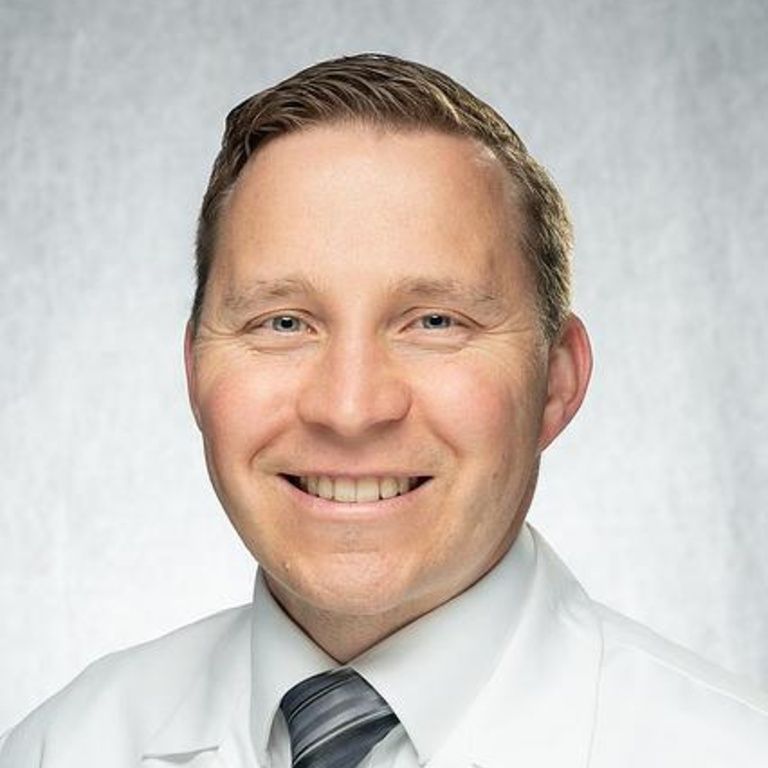
Doug Bennion, M.D., K12 scholar with the University of Iowa Institute for Clinical and Translational Science (ICTS), saw the disconnect for his grandfather, who lost his hearing in his prime working years at a steel factory. His grandfather missed out on the nuanced auditory cues present in our everyday listening environments. It was these experiences and more that drove him to pursue a low-cost pharmacologic option for those who are hearing-impaired or at-risk for hearing impairment all over the world.
Article
The unmet need in hearing loss treatment
According to the National Institute on Deafness and Other Communication Disorders, approximately 15% of American adults (37.5 million) aged 18 and over report some trouble hearing. Despite this, there are no scientifically proven medical treatments for the most common causes of hearing loss, such as noise exposure. Currently, those with hearing loss, like his grandfather, can either utilize expensive assistive devices not typically covered by insurance or surgically implanted devices that can carry risks and side effects.
Repurposing blood pressure medications for hearing protection
In his ICTS K12 project, Bennion is investigating whether U.S. Food and Drug Administration (FDA) approved medications that have already been vetted for safety can potentially be repurposed to reduce stress and inflammation in the ear. Bennion also hopes these drugs can be used as a preventative measure and be given to those with a history of occupational noise exposure, those who frequently engage in recreational shooting, have a family history of hearing loss, and more. Bennion specifically uses medications that are used to treat high blood pressure called angiotensin receptor blockers (ARBs). These medications block the hormone angiotensin II from constricting blood vessels, thereby allowing the vessels to relax, which lowers blood pressure and reduces heart workload.
Bennion has pursued this research for years. “My interest in the renin-angiotensin system began as a graduate student at the University of Florida’s McKnight Brain Institute, focusing on ischemic stroke outcomes,” he said. “During my residency at the University of Iowa, we conducted the first studies of losartan, an ARB, in a preclinical model of noise-induced hearing loss. From the start, we sensed we had found something meaningful and have innovated in this field for the last 5 years since then.”
Early evidence, future impact
In his research, Bennion has found that there is modest evidence showing a protective effect against noise-induced hearing loss when using an ARB, such as losartan. With these findings, Bennion plans to develop clinical trials and conduct additional research to determine the most effective dosing for each condition or symptom being treated.
Repurposing medications “is a formidable advantage in safely and efficiently getting new treatments into the hands of the people who are seeking help in my clinic week after week,” Bennion shared. He hopes that his research can help those with hearing loss, like his grandfather, in the future.
https://icts.uiowa.edu/news/2026/07/repurposing-fda-approved-medications-treat-underlying-causes-hearing-loss


