



New Research from Emory University May Revolutionize How Stroke, Heart Attack, Related Blood-clotting Conditions are Treated
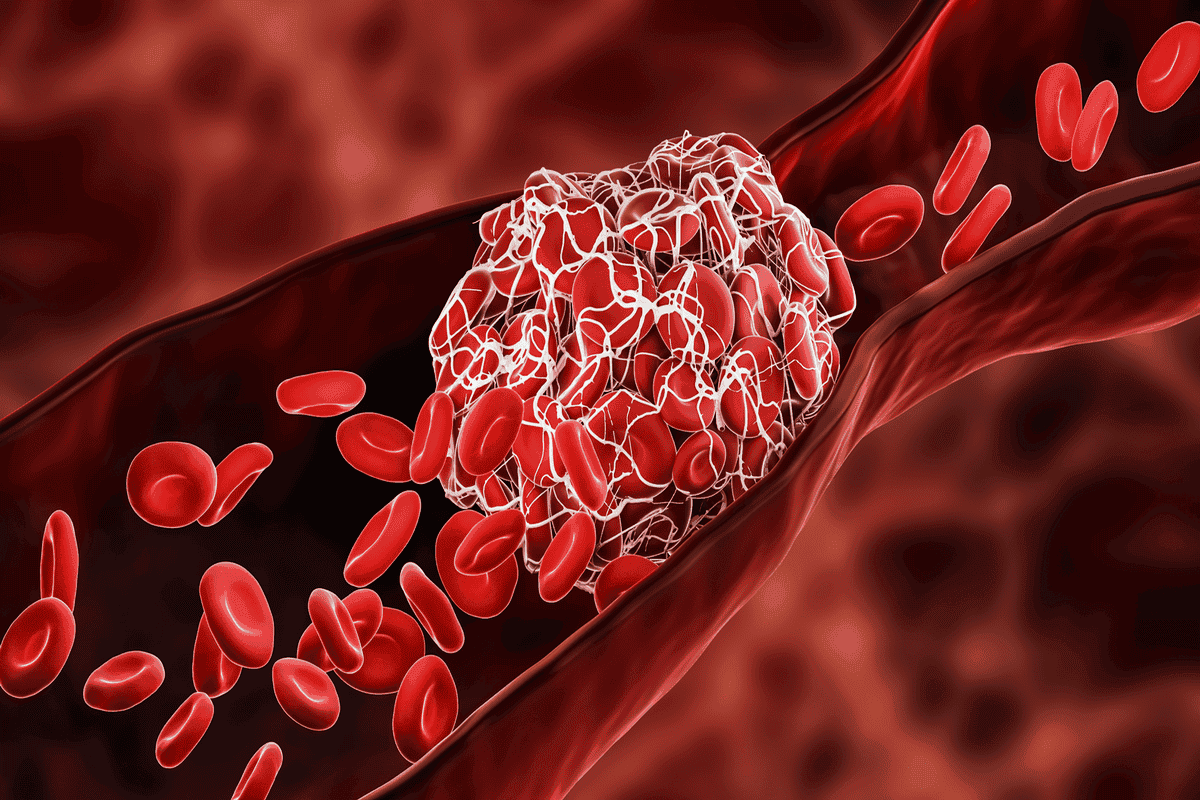
Blood clots are associated with life-threatening conditions such as sepsis, sickle cell disease, heart attack and stroke. However, new research from Emory University may revolutionize how clinicians understand and treat these harmful blood clots, or thrombi, a byproduct of a condition called thromboinflammation. In a groundbreaking study published in Nature, researchers have discovered the potential to provide life-saving medications to patients with blood clots at the right time, with the right dose, in novel combinations based on a new model.
To gain these insights, researchers developed a thromboinflammation-on-a-chip model that can sustain the clots for several months in a more accurate, human-like manner, leveraging 3D microvessels on a chip. This novel model allows the thrombi to exist in human blood and veins for months and resolve as they would naturally in a real patient…
Read the full article here.


