



Hidden In the Data: A Researcher Exposes Rural Maternal Health Gaps
Summary
Dr. Clara Busse, a University of Minnesota fellow, uncovered alarming trends in pregnancy-related syphilis in rural communities. Noticing national reports on maternal syphilis cases weren’t broken down by rural versus urban areas, she disaggregated the data by rurality herself. What she found was deeply concerning. Between 2016 and 2023, rates of syphilis during pregnancy quintupled in rural areas. And the trends were especially alarming among rural American Indian and Alaska Native communities, where rates of syphilis during pregnancy increased more than 1,000 percent during that period. Dr. Busse explains, "I want to find the cracks in health care systems where people are falling through and help build better systems that let people thrive, wherever they live." She is supported by the Rural Health Policy Postdoctoral Fellowship program, which is funded by the Clinical and Translational Science Institute at the University of Minnesota.
Article
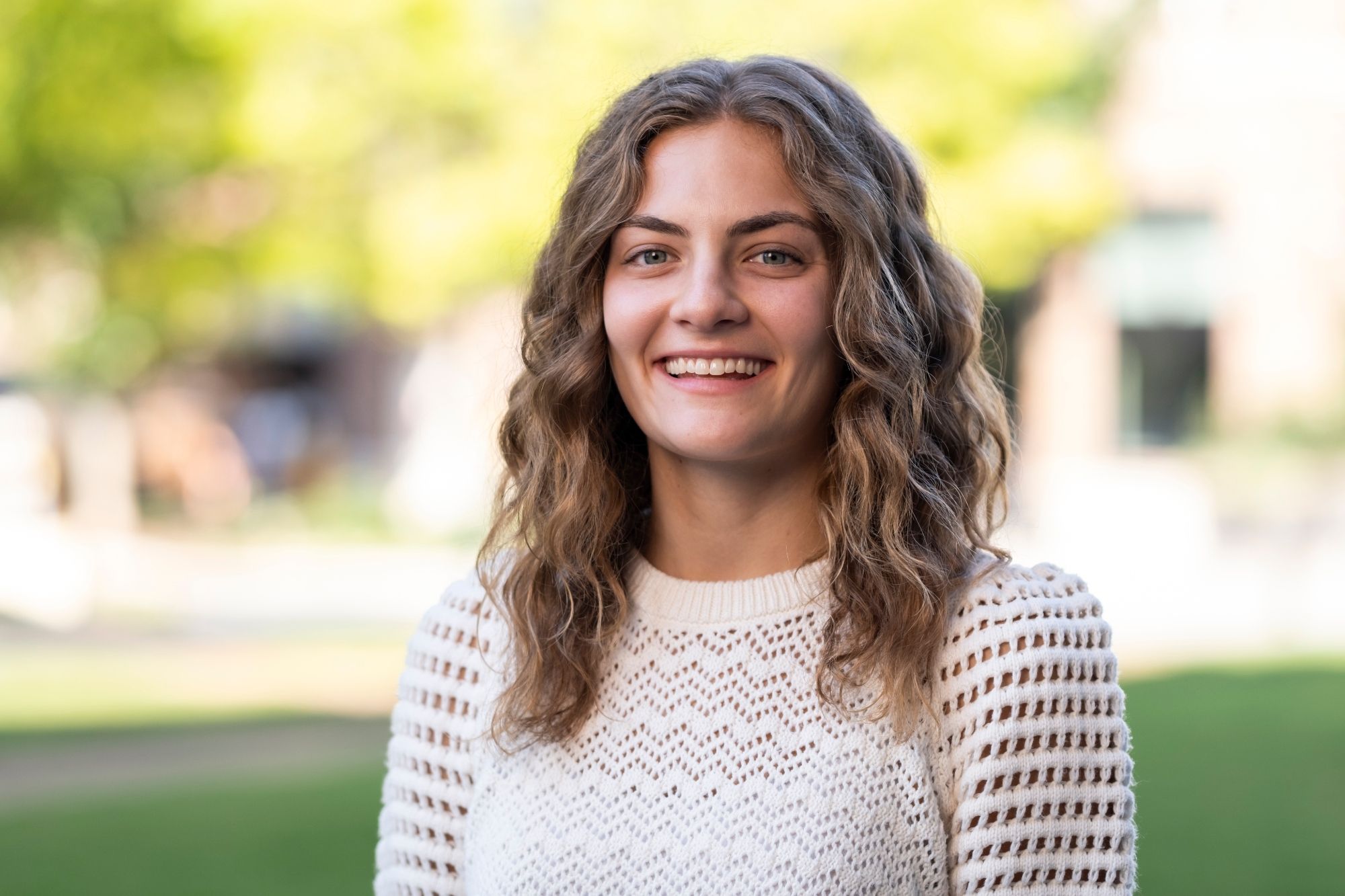
Growing up in a small town in southwest Michigan, Clara Busse, Ph.D., M.P.H., saw firsthand how closely health care and community are intertwined. Her father, a family physician who practiced just a block from their home, often took her along on house calls. Those early experiences stayed with her.
“I have always really cared about rural places,” Busse said. “They’re often overlooked because they’re not the densest population centers. That results in real gaps when it comes to health care access and resources.”
Today, as a postdoctoral researcher at the University of Minnesota’s Rural Health Research Center, Busse is focused on the very gaps she saw growing up, particularly those affecting maternal health. Supported by the Rural Health Policy Postdoctoral Fellowship program funded by the University’s Clinical and Translational Science Institute (CTSI), her work combines health services research, epidemiology, and an unwavering commitment to ensuring everyone receives the health care they need.
A research gap becomes a call to action
Busse joined the postdoctoral program under the mentorship of Katy Kozhimannil, PhD, MPA, a national leader in rural maternity care and policy. Her expertise and support helped catalyze Busse’s most recent research: a striking study on syphilis during pregnancy.
The idea stemmed from a simple observation. Busse had been following CDC reports showing a nationwide increase in maternal syphilis cases, but something was missing. The national trends weren’t broken down by rural versus urban areas, a major gap, given the known differences in health care availability.
“I was shocked that the data weren’t disaggregated by rurality,” Busse said. “That’s on the birth certificate. That information is right there. So I saw this gap and brought it to Katy, and she just said, ‘Do it.’”
With support from Kozhimannil and a collaboration with Danielle Gartner, PhD from Michigan State University, Busse launched the study. The moment the 2023 birth certificate data were released, she ran the analysis.
The findings: a stark warning
What Busse found was deeply concerning. Between 2016 and 2023, rates of syphilis during pregnancy quintupled in rural areas and tripled in urban areas. And the trends were especially alarming among rural American Indian and Alaska Native communities, where rates of syphilis during pregnancy increased more than 1,000 percent during that period.
“I thought, wow, that’s a dramatic graph,” Busse said. “Then you think about what it means. These are real people, real families. And it’s tragic because syphilis is entirely preventable and treatable. We’ve had the technology to treat syphilis, penicillin, since the 1940s.”
What’s preventing care, she explained, isn’t science. It’s the system.
In many rural counties, there’s simply nowhere to go for pregnancy-related health care. A recent study from the Rural Health Research Center found that over half of hospitals in rural counties do not offer obstetric care. On top of that, treating syphilis during pregnancy requires in-person injections, often more than one, adding transportation, childcare, and provider availability to the list of hurdles.
“It’s not just about individual care,” Busse said. “It’s about the entire infrastructure and whether people can access it.”
Creating space for meaningful research
Busse credits the CTSI-supported postdoctoral program with giving her the time and space to pursue this research. Without that support, she might not have been able to delve so deeply into a topic that matters to her and her community.
“The protected time has been so valuable,” she said. “It’s allowed me to dig into the literature, identify what matters to me and the communities I come from, and actually lead my own projects.”
That support, paired with strong mentorship and collaboration, has set her up to make a meaningful impact in the field.
Looking ahead
Busse hopes to continue leading research that improves care for mothers and babies, especially in rural settings. She envisions a future where health care is more connected and available, and where communities themselves help shape the solutions.
“I want to find the cracks in health care systems where people are falling through and help build better systems that let people thrive, wherever they live,” she said.
Her work is already helping move that vision forward.
https://ctsi.umn.edu/news/hidden-data-researcher-exposes-rural-maternal-health-gaps


