



Washington University in St. Louis ICTS-funded Investigator Conducts Crucial Research to Better Understand, Diagnose, and Treat Rare Genetic Disease
Rare diseases are just what their name implies – each one affects a limited number of people. But with this rarity comes unique challenges, and among the biggest challenges faced by these patients are the roadblocks they encounter with gathering information about their conditions, being properly diagnosed, and finding the best resources and treatment options available.
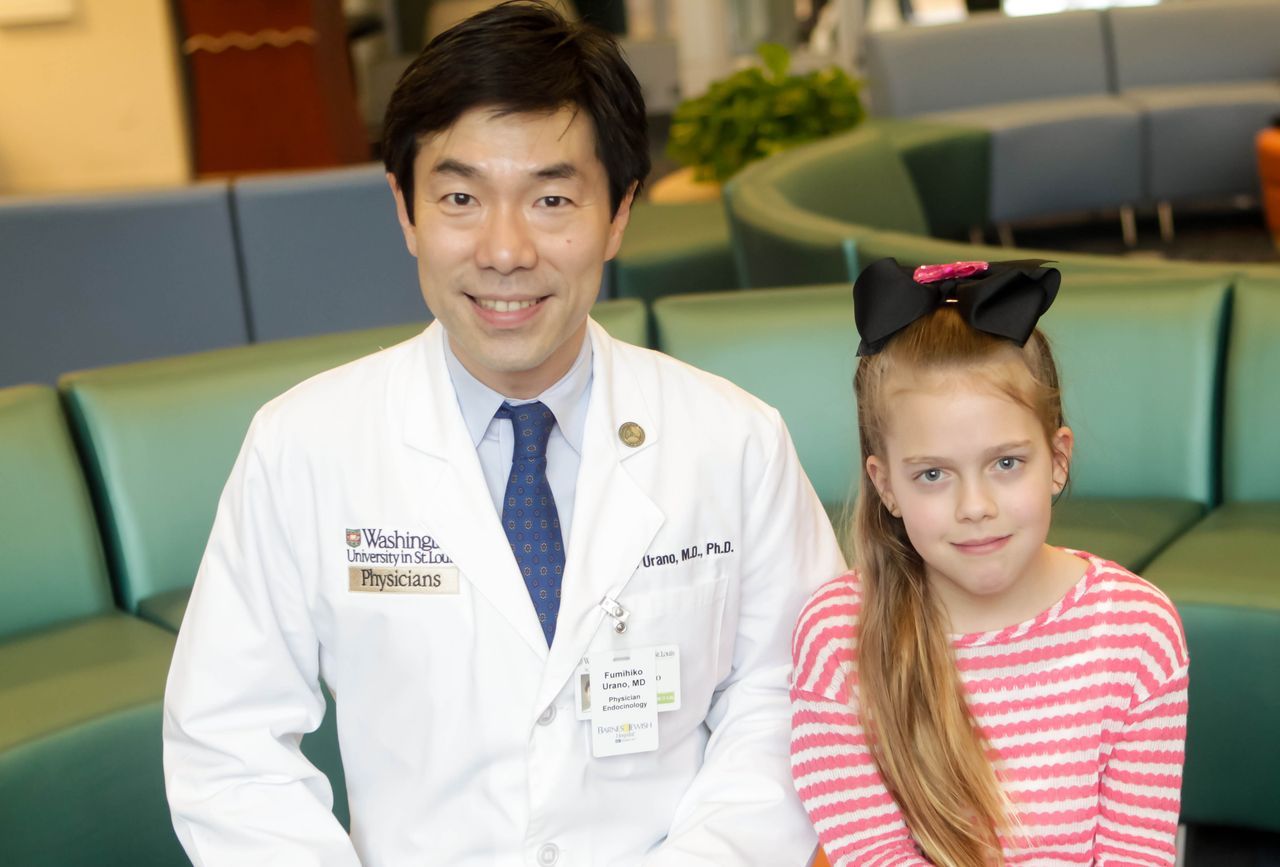
One of these rare diseases is Wolfram Syndrome (WS) – a fatal genetic disorder characterized by juvenile-onset diabetes, vision loss, deafness, breathing difficulties, impairments in gait and balance, and neurodegeneration. Signs of WS start appearing in children as young as 6 years old, and it is often fatal by mid-adulthood because of its impact on multiple organs. Currently, there is no cure for WS, and treatment strategies focus on life-sustaining medications, clinical monitoring, and management of symptoms. Fumihiko Urano, M.D., Ph.D., WashU Professor of Medicine, Pathology, and Immunology and Director of the Wolfram Syndrome International Registry & Clinical Study, is a driving force worldwide in the basic science, clinical, translational, and interventional studies of Wolfram syndrome and related disorders.
Urano says that, as of right now, if a patient is confirmed to have WS, it is incredibly overwhelming for them, and parents often make the difficult choice to delay informing their young children of this new reality, as all it takes is a simple internet search to convey the bleakness of the prognosis…
Read the full article here.


