



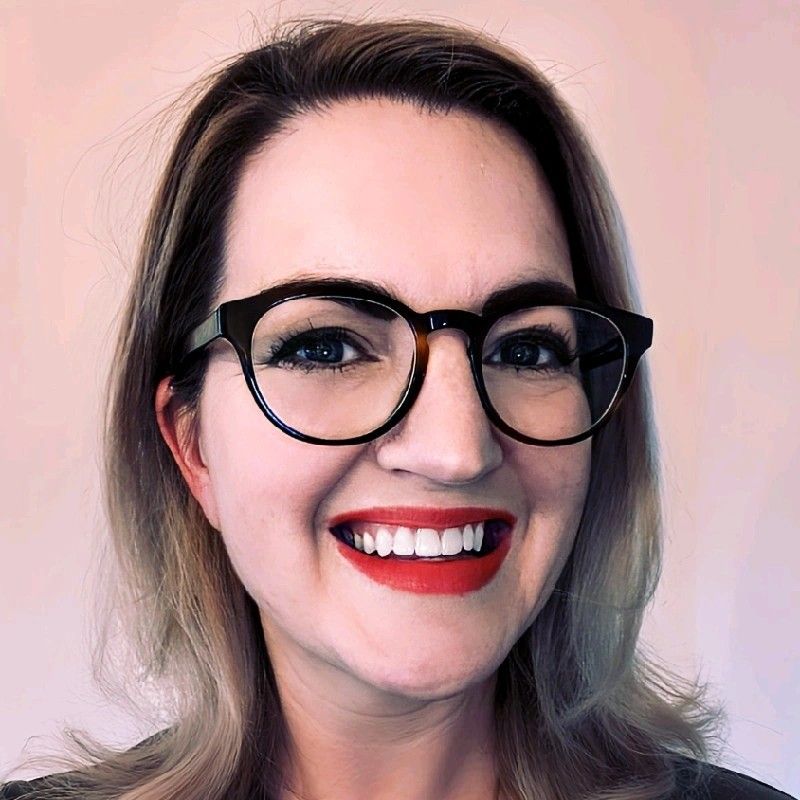
Former UCLA CTSI TL1 Fellow, Katharina Schmolly, M.D., Develops AI-powered Tool to Help Detect Rare Diseases
Several barriers to rare disease diagnosis make it difficult for patients to receive timely and appropriate treatment for their conditions. These barriers include a lack of treatment options, misdiagnoses of symptoms, and an overall general unawareness of rare conditions as a whole. To address this issue, researchers are turning to artificial intelligence and machine learning as powerful tools to provide potential solutions. Using AI-powered algorithms, doctors can comb through large data sets to find patterns and trends that can accelerate rare disease diagnosis.
"The diagnostic delay is roughly 10 to 15 years for these diseases because physicians don't see them very often,” said Katharina "Kat" Schmolly, M.D. “And while waiting for diagnosis, the disease can progress and cause irreversible damage. So, our goal is to diagnose patients earlier and manage their disease appropriately.”
While completing her CTSI TL1 Summer Fellowship as a medical student at the David Geffen School of Medicine, Dr. Schmolly began conducting research to do just that. Through her TL1 mentor, Simon Beavens, M.D., Ph.D., Dr. Schmolly partnered with a team of researchers at the University of San Francisco (UCSF) and Alnylam Pharmaceuticals to develop an algorithm to identify patients with acute hepatic porphyria (AHP), a rare genetic disease whose symptoms, which include, nausea, vomiting, limb weakness and bouts of chronic pain, overlap with more common diseases…
Read the full article here.


